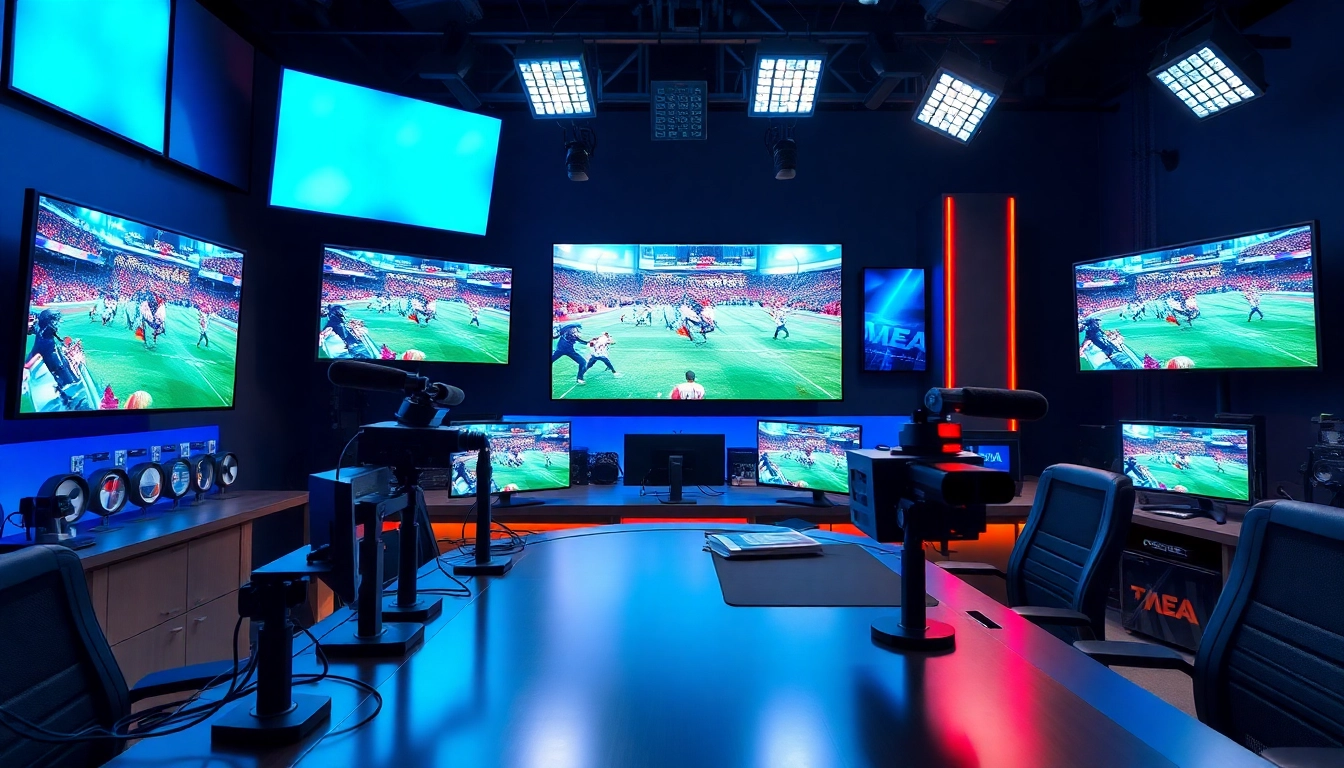
Understanding Sports Broadcasting
What is Sports Broadcasting?
Sports broadcasting encompasses the transmission of sports events, competitions, and other related content through various media channels. It includes television, radio, and digital platforms, facilitating a connection between sports teams, athletes, and fans globally. As an integral part of the sports industry, it not only covers live events but also offers analyses, commentaries, and informative content surrounding sports. The rise of digital platforms has transformed how audiences consume content, enabling on-demand viewing and interactive experiences. For a deeper understanding of this dynamic landscape of Sports Broadcasting, click here.
History and Evolution of Sports Broadcasting
The origins of sports broadcasting can be traced back to the early 20th century when radio broadcasts began offering live coverage of sporting events. From these humble beginnings, the industry has seen immense growth and transformation. The advent of television brought a new dimension to sports viewing, allowing fans to engage with their favorite sports from the comfort of their homes. As technology evolved, factors like satellite communication in the 1980s and the internet in the 1990s revolutionized live sports coverage. Streaming platforms have further evolved in recent years, catering to diverse audiences through personalized content, opening new avenues for engagement and monetization.
Importance of Sports Broadcasting Today
Today, sports broadcasting plays a pivotal role in the sports industry, influencing not only how fans experience events but also impacting the financial viability of leagues and teams. Broadcast rights have become a lucrative revenue stream for sporting organizations, driving budget allocations for team development, infrastructure, and marketing. Moreover, effective sports broadcasting enhances fan engagement and loyalty, as viewers rely on commentators to provide insights, making the viewing experience more enjoyable. This has turned sports broadcasting into a powerful vehicle for brand partnerships and advertising, further embedding it into the commercial fabric of sports.
Key Components of Sports Broadcasting
Technology and Equipment Used in Sports Broadcasting
The technological landscape of sports broadcasting is continually evolving, necessitating the use of advanced equipment to deliver high-quality broadcasts. Key components include cameras, microphones, and broadcasting software that enable seamless transitions between live feeds and recorded content. High-definition cameras capture the action in detail, while advanced audio equipment captures every sound from the arena, enhancing the viewer’s experience. Software systems for graphics and replay functionalities play a crucial role in analysis and entertainment, allowing commentators to break down plays effectively. The rise of virtual and augmented reality has also paved the way for innovative ways to engage audiences, offering immersive experiences that were previously unimaginable.
Role of Commentators and Analysts
Commentators and analysts are the heart of sports broadcasting, serving as the bridge between the game and its audience. Their expertise provides context and insights that enrich the viewer’s understanding of complex plays and strategies. A skillful commentator can elevate a game, utilizing their knowledge and engaging storytelling to build excitement among fans. Analysts further contextualize events, offering expert perspectives that inform viewers’ perceptions and enrich discussions around the sport. The effective pairing of commentator and analyst enhances the broadcast, ensuring that both casual fans and avid enthusiasts find value in the coverage.
Audience Engagement Techniques in Sports Broadcasting
Engagement techniques in sports broadcasting have evolved with the advent of social media and interactive platforms. Real-time fan interaction, through polls and live chats, enhances the viewer experience, enabling fans to feel part of the action. Broadcasters also utilize graphical elements and on-screen statistics to provide viewers with deeper insights into games. Additionally, behind-the-scenes content and player interviews create a more connected fan experience, forging emotional ties with audiences. The strategic use of social media platforms can amplify reach and viewer interaction, making broadcasts more engaging and participatory.
Challenges in Sports Broadcasting
Addressing Technological Issues
Despite advancements, sports broadcasting faces several technological challenges. Technical malfunctions during live broadcasts can disrupt viewer experience and damage network reputations. To mitigate these issues, broadcasters must have contingency plans, including backup systems to ensure smooth transitions during technical failures. Investing in staff training on equipment handling and emergency protocols is crucial. Regularly updating software and equipment and conducting maintenance checks beforehand can also prevent potential setbacks during critical moments.
Managing Viewer Expectations
With the proliferation of options for consuming sports content, managing viewer expectations is a significant challenge. Audiences are now demanding higher quality broadcasts, more engaging content, and comprehensive coverage across platforms. Meeting these expectations requires continuous innovation and responsiveness to audience feedback. Broadcasters should monitor viewer preferences and engage with fans to understand their needs and preferences better. Tailoring content strategies depending on audience insights can help maintain viewer loyalty and satisfaction.
Legal and Regulatory Considerations
Legal and regulatory frameworks form another layer of complexity in sports broadcasting. Rights management is crucial; obtaining and enforcing broadcasting rights for various sports can be complicated. Compliance with broadcasting standards, including viewer protection and content regulations, is vital to prevent legal repercussions. Working closely with legal teams to understand the nuances of agreements and obligations ensures that broadcasters operate within legal constraints and safeguard their operations. Additionally, issues surrounding censorship and content moderation play a role in maintaining ethical broadcasting practices.
Best Practices for Effective Sports Broadcasting
Strategies for High-Quality Production
To deliver high-quality sports broadcasts, broadcasters should invest in state-of-the-art technology and best practices in production. Ensuring that all equipment is up-to-date contributes significantly to improved quality. Additionally, employing skilled professionals who understand the nuances of production—from camera operators to sound engineers—creates a cohesive and experienced team to enhance the broadcast quality. Preproduction planning is equally important—storyboarding the broadcast can help manage transitions fluidly and anticipating technical needs can prevent mishaps. Furthermore, fostering strong communication within the production team ensures that everyone is aligned with the goals and objectives of the broadcast.
Engaging Content Creation for Sports Audiences
Engaging content creation is central to attracting and retaining viewership. Broadcasters should focus on crafting narratives that resonate with their audience, developing story arcs around teams, athletes, and rivalries. Incorporating player backstories, expert analysis, and viewer polls can turn passive viewers into active participants. Leveraging data analytics to access audience preferences allows broadcasters to fine-tune their content strategy and cater to specific demographic segments. Regularly providing unique angles and fresh content can differentiate broadcasters in an increasingly crowded market.
Adapting to Trends in Sports Broadcasting
Continuous adaptation to emerging trends is fundamental to succeeding in sports broadcasting. Current trends showcase a shift towards mobile viewing, with audiences desiring access to content anytime and anywhere. Broadcasters should develop mobile-friendly platforms and applications that cater to this demand. Additionally, the incorporation of streaming services and on-demand content is increasingly seen as essential. Understanding and leveraging trends such as virtual reality and esports broadcasting can also place broadcasters at the forefront of this dynamic industry, appealing especially to younger audiences.
The Future of Sports Broadcasting
Emerging Technologies in Sports Broadcasting
The future of sports broadcasting promises significant technological advancements that will further enhance the viewing experience. Innovations such as augmented reality graphics and 360-degree video streaming are set to transform how fans engage with sports. These technologies enhance the immersive experience and allow viewers to interact with content in novel ways. As artificial intelligence progresses, data-driven insights can lead to personalized viewing experiences, tailoring the broadcast based on individual viewer’s interests and histories.
The Impact of Social Media on Sports Broadcasting
Social media is reshaping the landscape of sports broadcasting, providing new channels for audiences to consume content and engage with teams and athletes. Platforms like Twitter, Instagram, and TikTok enable real-time updates and highlights, complementing traditional broadcasts. Social media interaction creates opportunities for fan-driven content, such as user-generated video highlights and behind-the-scenes footage shared by athletes. Broadcasters should leverage these platforms to extend their reach, provide additional content, and foster community engagement around sports.
How to Prepare for Future Changes in Sports Broadcasting
Preparation for future changes in sports broadcasting requires a proactive approach. Continuous training for broadcasters and staff on emerging technologies is essential to maintain a competitive edge. Keeping abreast of industry trends and technological developments is crucial for making informed decisions regarding equipment and production techniques. Building strong relationships with tech partners can also ensure access to the latest advancements and innovations. Finally, soliciting ongoing feedback from audiences helps broadcasters stay connected to their preferences, enabling them to pivot their strategies effectively as the industry evolves.
Frequently Asked Questions
What role does technology play in sports broadcasting?
Technology is crucial for delivering high-quality broadcasts, including the use of advanced cameras, audio equipment, and software, which together enhance viewer experience and engagement.
How have fan engagement techniques evolved?
Fan engagement techniques have become more interactive with real-time polls, live chat features, and social media integration to create a more participatory experience for viewers.
What are the main challenges sports broadcasters face today?
Challenges include managing technological issues, meeting viewer expectations, and navigating legal regulations related to broadcast rights and content compliance.
Why is high-quality production important in sports broadcasting?
High-quality production enhances the viewer experience, contributes to increased audience retention, and builds reputation, setting a standard for sports coverage.
How is the future of sports broadcasting looking?
The future is promising, with emerging technologies like augmented reality and personalized content through AI poised to enhance how audiences engage with sports events.