What is CBD and How Does it Work?
Cannabidiol, commonly referred to as CBD, is a compound found in the cannabis plant. It belongs to a broader category of compounds known as cannabinoids, which are known for interacting with the human body’s endocannabinoid system (ECS). Unlike its counterpart THC (tetrahydrocannabinol), CBD is non-psychoactive, meaning it does not produce the high commonly associated with cannabis consumption. With the growing recognition of its potential health benefits, CBD has become a topic of extensive research and discussion in health, wellness, and regulatory circles.
The Origins of CBD
The history of CBD dates back thousands of years. Ancient cultures, particularly in Asia, utilized various cannabis strains for medicinal and therapeutic purposes. However, it was not until the 20th century that scientists began to isolate and study cannabinoids, leading to the identification of CBD in the 1940s. Research has since evolved, revealing CBD’s complex interactions with the human body and its applications in health and wellness.
How CBD Interacts with the Body
The ECS is a complex network of receptors and neurotransmitters that help regulate various bodily functions, including mood, memory, pain perception, and immune response. CBD interacts with CB1 and CB2 receptors in this system, exerting effects that may help alleviate symptoms related to a variety of health conditions. For instance, CBD’s ability to modulate pain signaling pathways could provide relief to those suffering from chronic pain, while its potential anxiolytic (anxiety-reducing) properties might help individuals managing anxiety disorders.
Differentiating CBD from THC
While both CBD and THC are cannabinoids derived from the cannabis plant, they have distinctly different properties and effects. THC is the primary psychoactive component that generates the euphoric “high” associated with marijuana use. In contrast, CBD does not have psychoactive effects, making it an appealing option for those seeking relief without the high. This fundamental difference highlights CBD’s potential for therapeutic use while avoiding the stigmas and complications associated with THC consumption.
Health Benefits of CBD
Research into the health benefits of CBD has expanded significantly over recent years, unveiling a myriad of potential advantages for mental and physical health. While studies are ongoing, several key areas of interest have emerged that highlight CBD’s beneficial properties.
CBD for Anxiety and Mental Health
CBD’s anxiolytic properties have garnered considerable attention, with research indicating its potential efficacy in treating anxiety disorders. Clinical studies have shown that CBD may help reduce anxiety’s physiological symptoms, such as increased heart rate and sweating. Furthermore, many individuals seeking alternative or complementary treatments for anxiety have reported positive outcomes from using CBD products.
Physical Health Benefits of CBD
CBD is also being studied for its potential effects on various physical health conditions. Preliminary research suggests it may have anti-inflammatory properties that can benefit individuals dealing with chronic pain, arthritis, and other inflammatory conditions. Additionally, CBD’s neuroprotective qualities may be helpful in managing neurological disorders such as epilepsy and multiple sclerosis, showing promise in reducing seizure frequency and severity.
Potential Therapeutic Uses of CBD
Beyond anxiety and physical health benefits, CBD may play a role in managing other medical conditions. Some studies suggest that CBD may help alleviate symptoms of insomnia and improve sleep quality, thus making it a valuable option for those struggling with sleep disorders. Additionally, there is growing interest in the potential of CBD in regulating metabolic processes, which could prove beneficial for individuals dealing with obesity or metabolic syndrome.
Choosing the Right CBD Product
The growing popularity of CBD has led to a diverse array of products on the market, making it essential for consumers to understand how to choose the right option for their needs.
Types of CBD Products Available
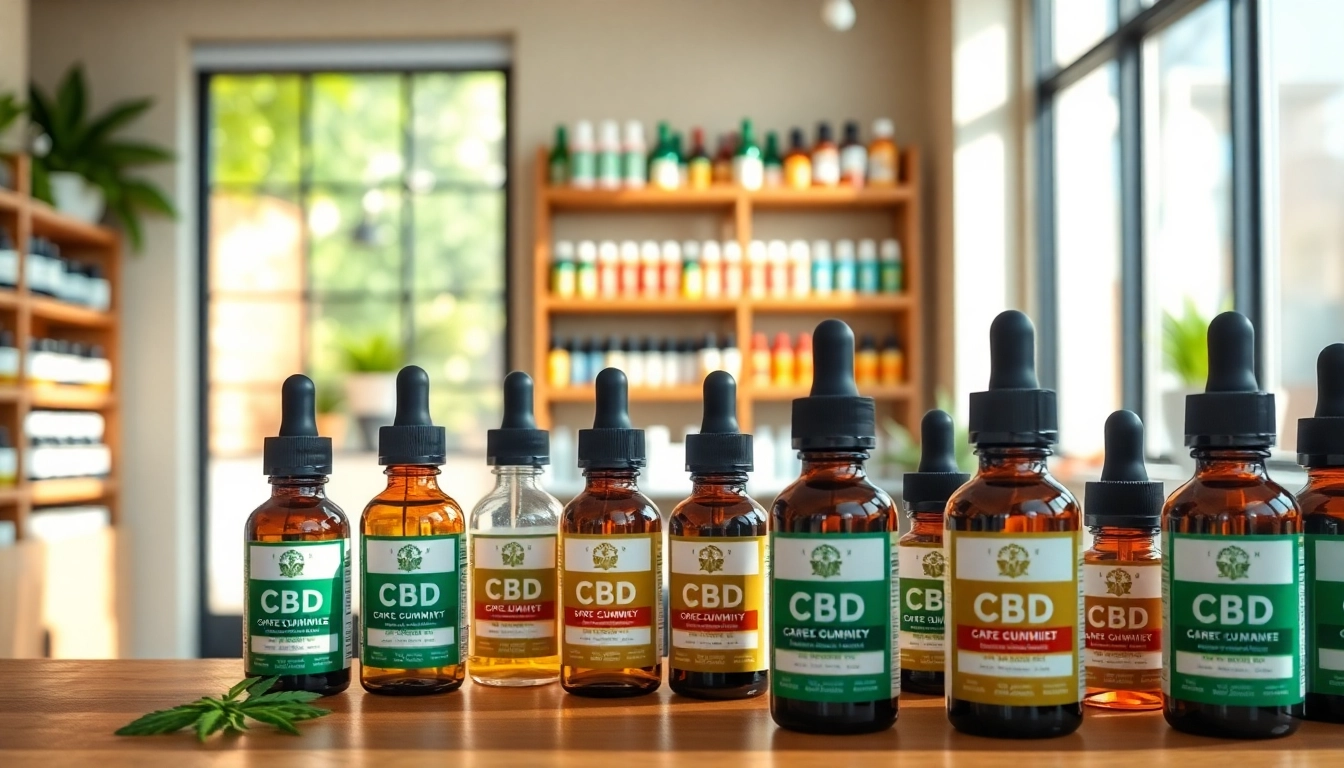
CBD products can be classified into several categories, including oils, edibles (such as gummies), capsules, topicals, and vapes. Each product type has its unique advantages and preferred usage scenarios. For instance, oils and tinctures provide quick absorption and easy dosage adjustments, while topicals are ideal for localized relief of pain or inflammation. Understanding these differences is crucial for selecting a product that best aligns with individual health goals.
How to Select Quality CBD
When choosing CBD products, quality should be a top priority. Consumers should look for products that have undergone third-party testing, ensuring that they are free from contaminants and accurately labeled regarding cannabinoid content. Additionally, reading reviews and researching brands can provide insight into their reputation and transparency regarding their sourcing and manufacturing processes.
Dosing Recommendations for Different Needs
Determining the appropriate dosage of CBD can vary widely based on individual factors such as body weight, metabolism, and the specific health condition being addressed. It’s typically advisable to start with a low dose and gradually increase it until the desired effects are achieved. Consulting with a healthcare professional before starting CBD is recommended, particularly for individuals with underlying health conditions or those taking other medications.
Legal Landscape Surrounding CBD
The legal status of CBD is continually evolving, with regulations varying significantly across regions. Understanding the complex legal landscape is crucial for consumers and businesses alike.
Understanding CBD Legislation in the U.S.
In the United States, the legal status of CBD is primarily governed by the 2018 Farm Bill, which legalized hemp-derived CBD containing less than 0.3% THC. However, individual states may impose additional regulations, leading to a patchwork legal environment. It is essential for consumers to stay informed about their local laws to ensure compliance and safe usage.
Common Misconceptions about CBD Legality
Despite the growing legal acceptance of CBD, several misconceptions remain prevalent. Many individuals mistakenly believe that all cannabis products are illegal, or that CBD use can result in psychoactive effects. Clear and accurate information about the differences between CBD and THC can help dispel these myths and promote responsible consumption.
The Future of CBD Regulations
The future landscape of CBD regulations remains uncertain as ongoing research continues to shed light on the compound’s potential benefits and risks. Legislators are examining the need for clear guidelines to ensure consumer safety, product quality, and market stability. Advocates for CBD legalization are optimistic about further regulatory advancements, promoting broader accessibility and adoption.
Side Effects and Safety of CBD
While many users report positive experiences with CBD, it is essential to understand its potential side effects and safety considerations.
Documented Side Effects of CBD Use
Research indicates that CBD is generally well-tolerated, with few side effects documented. However, some users may experience mild reactions such as dry mouth, fatigue, or changes in appetite. In rare instances, CBD can interact with certain medications, either enhancing or diminishing their effects. This highlights the importance of discussing CBD use with healthcare providers to mitigate potential risks.
Who Should Avoid CBD?
Certain populations may need to exercise caution when using CBD. Pregnant or breastfeeding individuals should consult their healthcare provider before using any CBD products. Additionally, those with certain medical conditions, particularly those involving liver dysfunction, may face increased risks when taking CBD. A personalized approach informed by professional guidance is crucial for appropriate and safe usage.
Staying Informed: Research and Resources on CBD
As the field of CBD research continues to grow, staying informed about new findings is essential for users. Reputable sources, including scientific journals, government health agencies, and educational platforms, provide valuable information about the benefits, risks, and regulations surrounding CBD. Engaging with this data can empower consumers to make knowledgeable decisions about their health and wellness.