





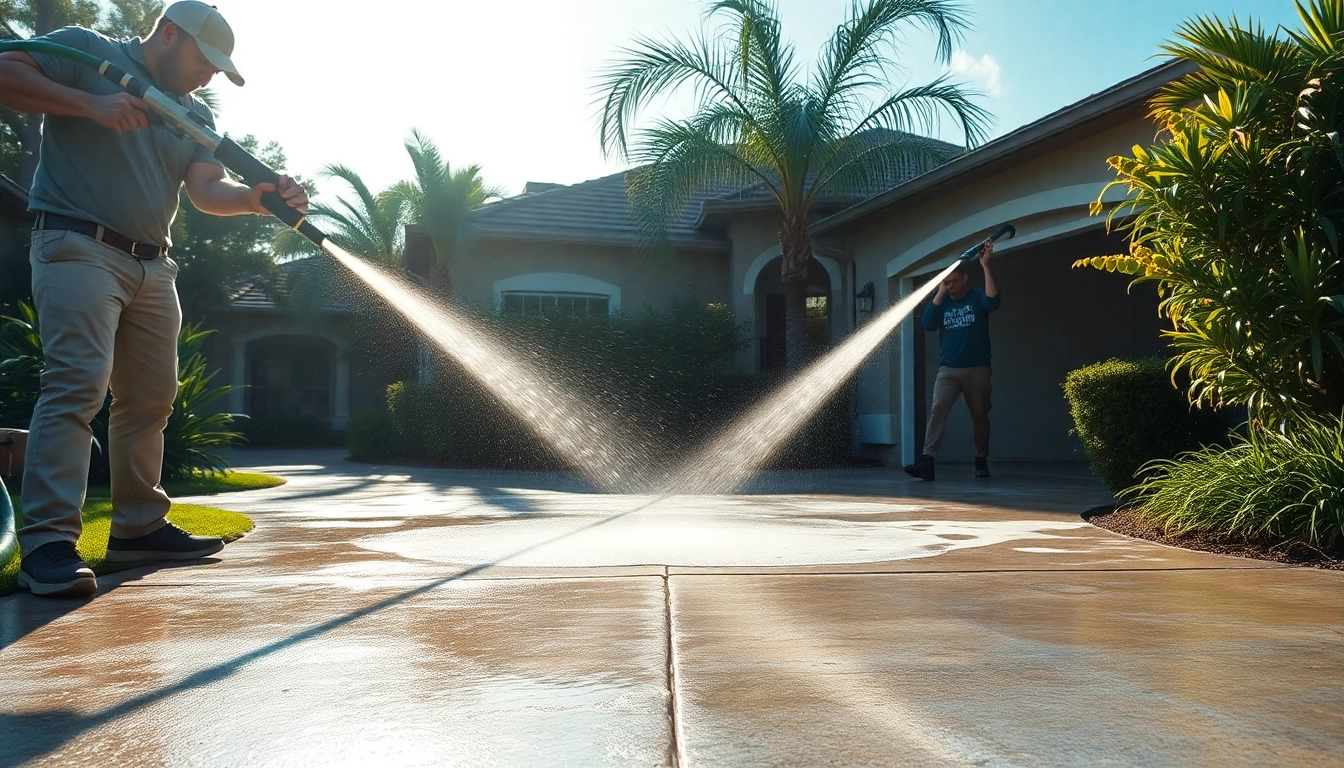
Understanding Concrete Cleaning
Concrete is a robust and durable material, widely used in various applications, from driveways to sidewalks, patios, and even commercial spaces. However, over time, concrete surfaces can accumulate dirt, stains, algae, and other contaminants, leading to a grimy appearance that detracts from the overall aesthetic and value of the property. This is where concrete cleaning becomes essential. By utilizing effective cleaning methods and techniques, homeowners and business owners can restore their concrete surfaces to a like-new condition, enhancing curb appeal and prolonging the lifespan of the material.
What is Concrete Cleaning?
Concrete cleaning refers to the process of removing dirt, stains, and contaminants from concrete surfaces. This process often involves a combination of techniques using specialized equipment, cleaning agents, and pressure washing methods. Concrete cleaning is not just about aesthetics; it also helps in maintaining the integrity of the surface by preventing mold growth and deterioration caused by grime accumulation.
Common Types of Concrete Cleaning Methods
- Pressure Washing: This method uses high-pressure water jets to clean the surface, effectively removing dirt, mold, and stains.
- Chemical Cleaning: Involves the application of cleaning agents that break down tough stains and remove contaminants.
- Steam Cleaning: Utilizes high-temperature steam to sanitize and clean concrete surfaces while being eco-friendly.
- Hand Scrubbing: A less common method, this involves using brushes and manual effort to scrub concrete surfaces.
Benefits of Regular Concrete Maintenance
Regular concrete maintenance through cleaning offers numerous benefits, including:
- Enhanced Appearance: Clean concrete surfaces significantly improve the visual appeal of properties.
- Preventative Care: Regular cleaning prevents the buildup of grime and algae, which can lead to costly repairs.
- Increased Safety: Clean concrete reduces the risk of slips and falls caused by slippery surfaces.
- Longevity: Proper maintenance extends the life of your concrete by preventing degradation.
Choosing the Right Equipment for Concrete Cleaning
Essential Tools for Professional Results
To achieve efficient concrete cleaning, it’s critical to utilize the right tools. Commonly used equipment includes:
- Pressure Washers: Available in various PSI (pounds per square inch) ratings, a pressure washer is essential for effective cleaning.
- Surface Cleaners: These attachments connect to pressure washers, allowing for an even clean over large areas.
- Chemical Injectors: For those using chemical cleaning methods, these devices can mix cleaning solutions with water for enhanced effectiveness.
- Scrub Brushes: Ideal for hand scrubbing areas that need a more delicate approach.
Pressure Washing vs. Traditional Cleaning Techniques
While traditional cleaning methods like scrubbing can be effective, they often require more time and labor than pressure washing. Pressure washing is faster and can reach difficult spots without excessive manual effort. It is also more effective at removing ingrained dirt and stains, making it the preferred choice for most professional cleaning services.
Understanding Pressure Settings for Different Concrete Types
When cleaning concrete, it’s crucial to adjust the pressure settings to suit the type of concrete being cleaned. For example:
- Standard Concrete: A pressure setting of 2500-3000 PSI works well for most surfaces.
- Soft Concrete or Decorative Surfaces: Lower settings between 1500-2000 PSI should be used to avoid damage.
- Heavy Stains: For oil or grease stains, a higher pressure setting may be necessary, combined with chemical cleaners for maximum effect.
Best Practices for Effective Concrete Cleaning
Step-by-Step Guide to Cleaning Concrete Surfaces
To ensure that concrete is cleaned effectively, follow these steps:
- Prepare the Area: Clear debris and furniture from the surface area to be cleaned.
- Apply Cleaning Solutions: If using chemical cleaners, apply them according to the manufacturer’s instructions and allow them to sit for the recommended time.
- Pressure Wash: Use a pressure washer at the appropriate PSI setting, keeping the nozzle 12-18 inches from the surface.
- Scrub Stubborn Areas: For tough stains, use a scrub brush in conjunction with the pressure washer.
- Rinse Thoroughly: Ensure that all cleaning agents and dirt are rinsed away to avoid residue.
Common Mistakes to Avoid During Concrete Cleaning
While cleaning concrete is straightforward, some common mistakes can hinder the results:
- Using Too Much Pressure: High pressure can damage decorative finishes or soft concrete.
- Skipping the Rinse: Failing to rinse the surface can leave behind cleaning agents that may lead to degradation.
- Inadequate Preparation: Neglecting to remove surface debris can result in uneven cleaning.
Eco-Friendly Cleaning Solutions for Concrete
For those environmentally conscious, there are numerous eco-friendly solutions available:
- Vinegar and Water: A simple mixture that can help lift mild stains.
- Baking Soda Paste: Effective for grease stains when mixed with water.
- Commercial Eco-Friendly Cleaners: Many brands offer specialized concrete cleaners that are biodegradable.
Impact of Weather on Concrete Cleaning
How Humidity and Heat Affect Cleaning Results
Weather conditions play a significant role in the effectiveness of concrete cleaning. High humidity can slow drying times, while excessive heat can cause cleaning solutions to evaporate too quickly, leading to subpar results. Therefore, it’s important to consider the weather when scheduling cleaning projects.
Best Times of Year for Concrete Cleaning
Spring and fall are ideal times for concrete cleaning, as temperatures are mild, and there is generally less rain. Avoid cleaning during the height of summer or freezing temperatures, as these conditions can adversely affect cleaning effectiveness and safety.
Weather-Related Challenges in Concrete Maintenance
Adverse weather, such as rain or snow, can make it difficult to maintain clean concrete surfaces. Regular maintenance can help mitigate these challenges, as it reduces the accumulation of dirt and grime that can worsen due to weather exposure.
Future Trends in Concrete Cleaning
Innovations in Cleaning Technology for 2025
As technology advances, the concrete cleaning industry continues to evolve. Emerging technologies, such as automated pressure washing systems and enhanced eco-friendly chemicals, are set to transform how concrete surfaces are cleaned in the near future.
Emerging Eco-Friendly Products for Concrete Cleaning
With increased awareness of environmental issues, eco-friendly cleaning products are gaining popularity. Innovations in biodegradable cleaners and green pressure washing techniques will become more common as consumers look for sustainable options.
Predictions for the Concrete Cleaning Industry
The concrete cleaning industry will likely see a shift toward more automated solutions, with a focus on efficiency and sustainability. As customer expectations grow, service providers will need to adapt by investing in advanced technologies and eco-conscious practices to stay competitive.




More Stories
Maximizing Efficiency in Business and Consumer Services
2026년 최고의 휴식을 위한 효과적인 오산출장마사지 서비스
Expert NYC Emergency Plumber & Sewer Solutions for 2026