
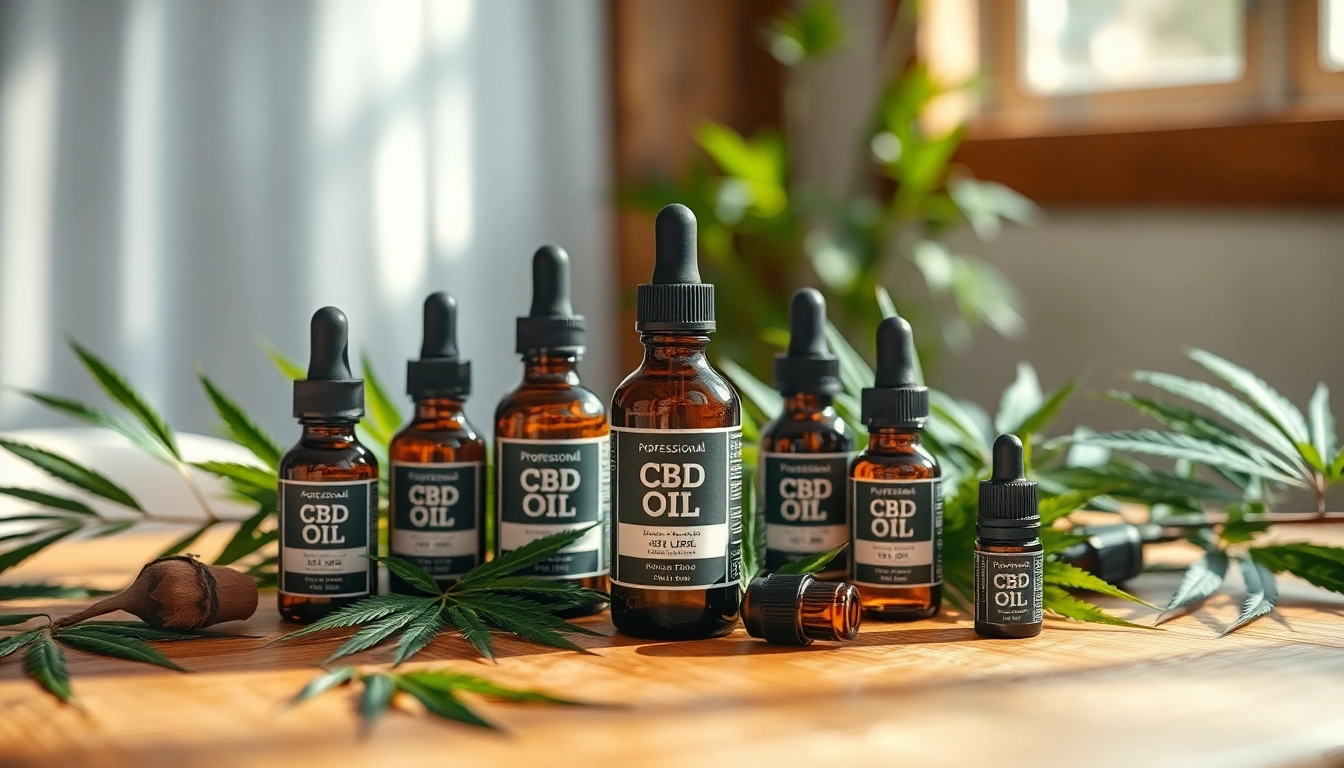
What is CBD Oil and How is it Made?
Definition and Origins of CBD Oil
CBD oil, short for cannabidiol oil, is a natural oil derived from the cannabis plant. Unlike its more notorious counterpart, THC (tetrahydrocannabinol), CBD is non-psychoactive, meaning it does not produce the "high" associated with cannabis. Its origins can be traced back to ancient cultures that utilized various parts of the cannabis plant for medicinal purposes. Ancient texts suggest that plants similar to cannabis were used for therapeutic effects thousands of years ago, paving the way for its modern applications in the health and wellness space.
The resurgence of interest in CBD and its potential benefits correlates with increased research into its therapeutic properties. These investigations have revealed promising insights into how CBD interacts with the body’s endocannabinoid system, which plays a critical role in regulating homeostasis—our body’s balance of various systems. These developments have contributed to the growing popularity of CBD Oil as a natural remedy for many ailments, ranging from anxiety to chronic pain.
The Extraction Process of CBD Oil
The process of extracting CBD oil from the cannabis plant is crucial for ensuring a high-quality product. The most common methods of extraction include CO2 extraction, ethanol extraction, and oil infusion. CO2 extraction involves using carbon dioxide to pull the desired compounds from the plant while leaving out unwanted materials. This method is known for producing high-quality CBD oil without harmful residues, making it a preferred choice among manufacturers.
Ethanol extraction, while effective and efficient, can sometimes draw out chlorophyll, which can affect the taste and quality of the oil. Oil infusion is a simpler method often used for home production, where the plant is heated in carrier oils like olive or coconut oil. Each method has its pros and cons, and the choice may depend on the intended use of the CBD oil and the manufacturer’s resources.
Different Types of CBD Oil Products
CBD oil is available in various formulations to cater to different preferences and applications. The most common types include:
- Full-Spectrum CBD: Contains all the cannabinoids found in the cannabis plant, including trace amounts of THC. This formulation is believed to provide an "entourage effect," enhancing the benefits of CBD.
- Broad-Spectrum CBD: Similar to full-spectrum but without THC. It offers many of the same benefits while eliminating the risk of psychoactive effects.
- CBD Isolate: Pure CBD with all other cannabinoids and compounds removed. It is ideal for those who want to avoid THC entirely.
- CBD Tinctures: Concentrated CBD oil mixed with alcohol or carrier oils in dropper bottles for easy dosage.
- CBD Edibles and Capsules: Infused food products or capsules for convenient consumption without the taste of CBD oil.
Health Benefits Associated with CBD Oil
CBD Oil for Pain Management
One of the most well-researched applications of CBD oil is in pain management. Studies have indicated that CBD may help reduce chronic pain by interacting with receptors in the brain and immune system to decrease inflammation and alleviate discomfort. This makes it a viable option for individuals suffering from conditions such as arthritis, multiple sclerosis, and fibromyalgia.
Patients often report significant improvements in their pain levels after using CBD oil, especially when combined with other therapeutic modalities. Continued research is exploring the optimal dosages and methods of delivery for various types of pain to maximize benefits.
Using CBD Oil for Anxiety and Stress Relief
Anxiety disorders affect millions of people worldwide, and CBD oil has emerged as a possible natural alternative to conventional treatments. Research suggests that CBD may help to reduce anxiety by promoting relaxation and improving mood. By interacting with serotonin receptors in the brain, CBD can enhance feelings of well-being and combat feelings of anxiety and stress.
Many users report that CBD oil helps them manage symptoms of anxiety, making it especially popular among individuals seeking natural remedies. However, dosage and timing can significantly impact its effectiveness, and it’s advisable to consult with a healthcare professional to develop a personalized plan.
Potential Neuroprotective Properties of CBD Oil
Emerging research suggests that CBD oil may offer neuroprotective properties, making it a topic of interest in conditions such as epilepsy and neurodegenerative diseases like Alzheimer's. Preliminary studies show that CBD can help to reduce the frequency of seizures in patients with certain types of epilepsy, leading to the development of specific CBD formulations for these conditions.
Further investigation is warranted to understand the full potential of CBD in neuroprotection, but initial findings provide hope that it may contribute to new therapeutic strategies in addressing neurological disorders.
How to Use CBD Oil Effectively
Dosage Guidelines for CBD Oil
Determining the effective dosage of CBD oil can vary significantly from person to person, depending on factors such as weight, metabolism, and the condition being treated. It is generally recommended to start with a small dose, typically between 5-10 mg, and gradually increase it until the desired effects are achieved. Keeping a journal to track dosage and effects can assist in finding the optimal amount for individual needs.
Consulting with a healthcare professional before beginning any CBD regimen is advisable to discuss potential interactions with medications and determine the most effective and safe dosage.
Methods of Consumption: Oils, Tinctures, and More
CBD oil can be consumed through various methods, including:
- Sublingual Drops: Placing CBD oil under the tongue allows for quick absorption into the bloodstream.
- Softgels and Capsules: Easy to take with food, providing a precise dosage.
- Edibles: Incorporating CBD into foods or drinks offers a flavorful alternative.
- Topicals: Creams and balms infused with CBD provide localized relief for muscle and joint pain.
Experimentation with different methods may be necessary to discover which delivery method works best for individual lifestyles and needs.
When to Consult a Healthcare Professional
Seeking advice from a healthcare professional when using CBD oil is essential, especially for those with existing health conditions or those taking other medications. This consultation ensures a safe and tailored approach, helping to avoid potential interactions or side effects.
Potential Side Effects and Risks of CBD Oil
Common Side Effects of CBD Oil
Although CBD oil is generally well-tolerated, some individuals may experience side effects. Common side effects can include:
- Drowsiness
- Dizziness
- Dry mouth
- Changes in appetite
- Nausea
These effects are often mild and subside with continued use; however, new users should be particularly attentive to how their body reacts.
Drug Interactions with CBD Oil
CBD oil can interact with certain medications, particularly those metabolized by the liver. These interactions may enhance or inhibit the effects of the medications, leading to unintended consequences. It is crucial for individuals to discuss their complete list of medications with a healthcare provider before starting CBD oil to avoid any potential risks.
Long-term Use Considerations for CBD Oil
While some individuals use CBD oil for extended periods, the long-term effects are still not fully understood. Ongoing research aims to determine any potential impacts of prolonged use. Users should assess their health regularly and consult with their healthcare professionals to ensure continued safety and efficacy.
Choosing Quality CBD Oil Products
What to Look for When Buying CBD Oil
The quality of CBD oil can vary significantly between products, making it essential for consumers to do their research. When purchasing CBD oil, consider:
- Source of hemp: Ensure the oil comes from organically grown hemp.
- Extraction method: Look for products that use CO2 extraction for the purest form of CBD.
- Third-party testing: Choose products that have been tested by independent laboratories, providing verification of potency and safety.
- Ingredients: Opt for products without unnecessary additives or preservatives.
Understanding Labeling and Certificates of Analysis
A Certificate of Analysis (COA) is a document provided by third-party testing laboratories detailing the product’s contents. It includes information on the concentration of CBD, THC levels, and the presence of other cannabinoids. Understanding this labeling helps ensure transparency and allows consumers to make informed choices. Always check for a COA to verify the quality and authenticity of the product.
Top Brands and Where to Find Quality CBD Oil
While exploring options for purchasing CBD oil, consumers should research to find reputable brands. Online marketplaces, specialty health stores, and some pharmacies offer a variety of CBD products. Reading reviews and recommendations from reliable sources can also assist in isolating high-quality products that align with personal needs and preferences.