
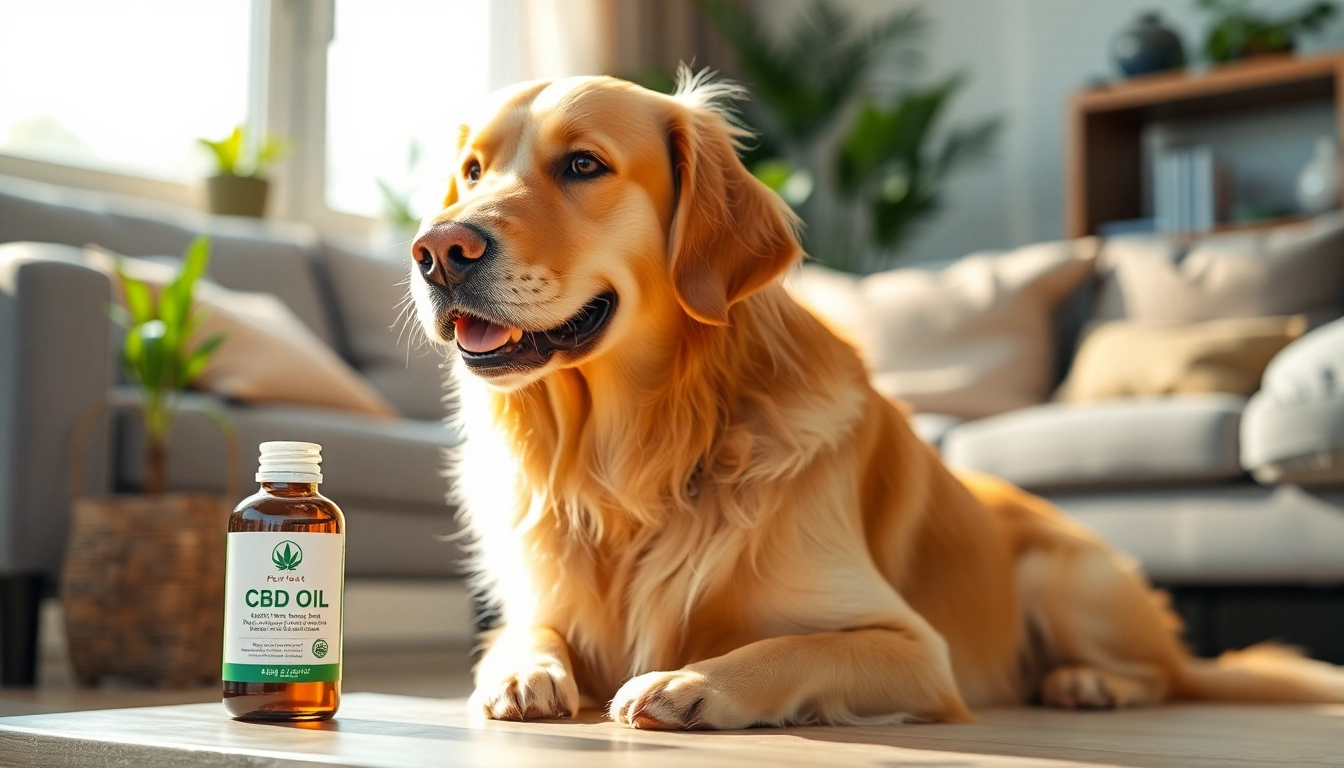
Understanding the Benefits of CBD For Pet Health
The exploration of CBD for pets is becoming increasingly common among pet owners seeking natural alternatives to support their furry friends' health. As research continues to unveil the potential therapeutic properties of CBD, many are looking to integrate CBD For Pet into their pets' wellness routines. This article delves into the nuances of how CBD can positively influence pet health, how it works in the body, and what improvements pet owners might expect to see.
What CBD For Pet Addresses
CBD, or cannabidiol, is a non-psychoactive compound derived from the hemp plant. It has gained recognition for its potential benefits, particularly in managing a variety of health concerns in pets. Common issues addressed include:
- Anxiety and Stress: Many pets experience anxiety due to various reasons, such as thunderstorms, fireworks, or separation from their owners. CBD may help in reducing these anxiety levels.
- Joint Pain and Inflammation: As pets age, they may develop arthritis or other joint issues. CBD has anti-inflammatory properties that may help alleviate pain and improve mobility.
- Digestive Issues: Pets may face digestive complications. CBD can aid in stimulating appetite and soothing stomach discomfort.
- Seizures: Some studies indicate that CBD may help reduce the frequency and severity of seizures in epileptic pets.
How CBD For Pet Works
The endocannabinoid system (ECS) is present in all mammals, and it plays a crucial role in maintaining homeostasis. This system consists of receptors (CB1 and CB2), endocannabinoids, and enzymes that facilitate a variety of bodily functions such as immune response, pain perception, mood regulation, and more.
When CBD enters the pet’s body, it interacts with the ECS to promote balance. Specifically, CBD is believed to bind with the CB1 and CB2 receptors to help mitigate symptoms of distress, pain, and inflammation. This natural mechanism suggests that CBD can be a powerful ally in supporting the health of pets.
Potential Health Improvements with CBD For Pet
Research and anecdotal reports suggest a range of health improvements for pets using CBD. Some potential benefits include:
- Reduction in Anxiety Symptoms: Many pet owners have observed a marked decrease in their pets' anxiety levels and more relaxed behavior during stressful situations.
- Improved Mobility: For older pets, consistent use of CBD may enhance their quality of life by allowing them to move more freely without the burden of inflammation-related pain.
- Better Appetite: CBD has been reported to encourage appetite in pets suffering from various underlying health conditions.
- Enhanced Overall Well-being: Regular use of CBD may improve mood and promote a healthier lifestyle for pets.
Choosing the Right CBD For Pet Product
With the increasing popularity of CBD, the market is flooded with various products. Choosing the right CBD for pet product can be challenging, especially given the lack of standardized regulations. Here’s a guide to navigate this landscape.
Types of CBD For Pet Products Available
Pet owners can find an array of CBD products designed specifically for pets, which include:
- CBD Oils: These are liquid extracts that can be administered directly or mixed with food. They offer a customizable dosage.
- CBD Treats: Chewable treats infused with CBD. These are often more appealing to pets and are easy to administer.
- Topicals: Creams and balms that can be applied to specific areas for localized relief of pain and inflammation.
- Capsules: For easier dosing, capsules may be a convenient option, though they are typically less flexible in terms of dosage customization.
Factors to Consider When Selecting CBD For Pet
When choosing a CBD product, consider the following factors:
- Source of Hemp: Ensure the CBD is sourced from organic, non-GMO hemp to avoid harmful pesticides and contaminants.
- Full Spectrum vs. Isolate: Full-spectrum products contain a range of cannabinoids and terpenes, which may enhance effectiveness through the entourage effect, while isolates contain pure CBD.
- Third-Party Lab Testing: Always verify that a product has been tested by an independent laboratory. This ensures transparency regarding potency and absence of harmful substances.
- Product Composition: Pay attention to any additional ingredients that may benefit your pet but also check for those known to be harmful.
Reading Labels: What to Look for in CBD For Pet
Reading labels is a critical step in choosing CBD products for your pet. Here are some key aspects to focus on:
- Concentration: Look for the concentration of CBD listed in milligrams. Understand your pet’s weight and consult a vet for appropriate dosages.
- Ingredients: Check for additional ingredients, ensuring there are no harmful fillers or additives.
- Certificate of Analysis (COA): This should be available from third-party labs detailing the product's cannabinoid profile and the presence of contaminants.
How to Administer CBD For Pet to Your Animal
Successfully integrating CBD into your pet's daily routine requires careful consideration of dosage and administration methods. Each pet may react differently, so monitoring their response is essential.
Dosage Guidelines for CBD For Pet
Determining the correct dosage of CBD for pets can depend on several factors, including weight, severity of the condition, and individual responses. Here are general guidelines:
- Start Low and Slow: Begin with a low dose (typically 0.1-0.2 mg per kg of body weight) and gradually increase it based on your pet's response.
- Regular Dosing: Consistent administration (1-2 times daily) may yield better results compared to occasional use.
- Consult with a Veterinarian: Always involve your veterinarian in the decision-making for a suitable dosage tailored to your pet's unique health needs.
Best Practices for Administering CBD For Pet
To ensure your pet receives the full benefits of CBD, follow these best practices:
- Choose the Right Time: Administer CBD during calm periods or before stressful events, like a vet visit or travel.
- Mingle with Food: If using oils or tinctures, consider mixing them with your pet’s food to mask any unpleasant taste.
- Be Patient: Allow time for CBD to take effect. It may take anywhere from 30 minutes to a few hours for pets to show noticeable effects.
Monitor Your Pet’s Response to CBD For Pet
After introducing CBD, monitor your pet’s behavior closely. Keep track of any changes in:
- Behavioral Changes: Look for increased relaxation, reduced anxiety-driven behaviors, or improved mobility.
- Physical Symptoms: Note any signs of discomfort or adverse reactions and adjust dosages accordingly.
- Consultation with a Vet: Regular discussions with your veterinarian will help in assessing the effectiveness of the treatment and making necessary adjustments.
Safety and Compliance Considerations with CBD For Pet
While CBD is generally considered safe, pet owners should be aware of regulatory issues and potential risks. Understanding these elements is crucial for responsible use.
Understanding Legal Regulations for CBD For Pet
The legal landscape surrounding CBD can be complex. While hemp-derived CBD has been legalized at the federal level, state regulations can vary significantly. Always check local laws regarding CBD usage for pets to ensure compliance.
Safety Concerns and Precautions with CBD For Pet
Despite its benefits, it’s crucial to consider some safety precautions when using CBD for pets, including:
- Risk of Overdosing: While CBD is safe, pets can exhibit side effects if given excessively high doses, such as drowsiness.
- Drug Interactions: CBD may interact with other medications your pet is taking. Always consult your veterinarian if your pet is on concurrent medications.
- Quality of Product: Ensure that you are using high-quality, reputable products; poor-quality CBD can lead to significant health risks.
What to Avoid When Using CBD For Pet
To ensure the safety and well-being of your pet, avoid the following pitfalls:
- Human Products: Do not give your pet CBD products formulated for humans, as the dosages and ingredients may not be suitable for pets.
- Unverified Sources: Always avoid products from unknown brands or shops that do not provide lab results and ingredient transparency.
- Ignoring Vet Advice: Never disregard your veterinarian's insights concerning the use of CBD in your pet’s health regimen.
Future Trends in CBD For Pet Products
The CBD market for pets is evolving rapidly. Awareness among pet owners is growing, as is interest from the veterinary community. Several trends are expected to shape the future of CBD for pets.
Innovations in CBD For Pet Formulations
As the market develops, we anticipate seeing innovative formulations that cater specifically to the varied needs of pets:
- Targeted Formulations: Products tailored to specific issues such as mobility, anxiety, or skin conditions can lead to more effective outcomes.
- Enhanced Delivery Systems: New methods of administration, such as transdermal patches or flavored oils, may improve palatability and uptake.
- Combination Products: Formulations that combine CBD with other beneficial compounds such as turmeric or glucosamine might emerge to offer a synergistic effect.
Market Growth and Consumer Awareness of CBD For Pet
The growth of the CBD market for pets is expected to continue. Enhanced research, consumer education, and increased visibility will contribute to the adoption of CBD as a viable option for pet health. Pet owners are becoming more knowledgeable about the benefits and risks, resulting in informed decisions regarding their pets' health routines.
Predictions for the Future of CBD For Pet Health
Looking ahead, the future of CBD for pet health seems promising. As more studies validate its effectiveness and safety, it's likely that:
- Increased Acceptance: Veterinarians may become more open to recommending CBD, leading to greater incorporation into pet health regimes.
- Improved Regulations: As understanding of CBD grows, more robust regulatory frameworks may emerge, ensuring higher safety and efficacy standards.
- Heightened Research Focus: More research will likely be aimed at understanding the long-term effects and optimal formulations for various species and conditions.